



Consumer Fraud & Security

Protecting your personal information requires a partnership between you and the bank.

If You Suspect Fraud:

  • Stop all related activity
  • Contact us immediately at 1.877.226.4671
  • Don’t respond to suspicious messages
  • Gather details (dates, amounts, screenshots)
Lost or stolen debit credit card

Report a Lost or Stolen Card

If you have found fraudulent transactions on your debit or credit card, or if your card has been lost or stolen, please contact Bangor Support immediately at 1.877.226.4671

Protecting your business matters.

For information about business-related fraud risks, head to our Business Fraud & Security page.

Business Fraud & Security

Woman checking her credit card for fraud

How to Protect Yourself Against Fraud & Identity Theft

Learning to avoid fraudsters and scams, safeguard your computer and mobile devices while you visit websites, protect your information, and knowing what to do if you suspect fraud are all key to keeping your financial information secure.

Select a tab below to learn more.


What is Fraud?

Fraud is when someone deliberately deceives another person or organization to gain money, information, or another benefit. It often involves misleading, impersonating, or tricking someone into taking an action they didn’t intend. Fraud can happen online, by phone, or in person, and staying aware is one of the best ways to stay protected.


What is Identity Theft?

Identity theft happens when someone steals your personal information and uses it without your permission. This can include using your name, account details, or financial information to commit fraud. It can affect your accounts, credit, and overall financial security.


How Can I Spot a Scam?

The Approach

Scammers will often pretend to be someone they are not, a government official, an expert investor, a lottery official, or even a romantic admirer. They will also use various communication methods, including online, phone calls, text messages, and in-person.


Communication

A scammer will use tricks to convince you to part with your money. If you speak to them, they may use personal details to appear legitimate, contact you regularly, create a sense of urgency, and play with your emotions.


Sending Money

One of the most significant clues you will have that a scam is occurring is when you are asked to send money. Asking for money can come within minutes of the fraud's beginning or after months of careful grooming. Scammers are generally willing to accept money by any means, including direct bank transfers, preloaded debit cards, gift cards, virtual currency, and more.


Learn about Common Scams

Read our list of common scams so you can more easily spot scams and fraud.

Visit the Federal Trade Commission's Consumer Advice website to learn more about scams.
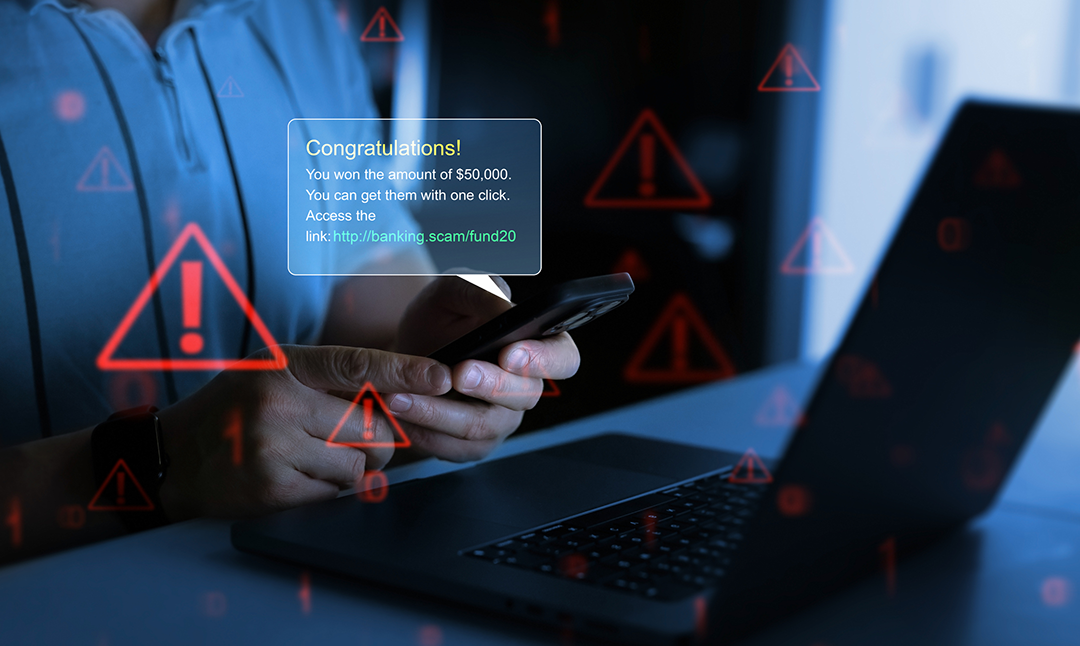
Use this checklist to help protect your devices, personal information, and financial information when banking, shopping, or browsing online.


✅ Keep Your Devices Updated

  • Install the latest security updates on your computer, phone, and tablet.
  • Use the most current version of your web browser.
  • Turn on automatic updates whenever possible to stay protected against new threats.

✅ Protect Your Information

  • Use strong, unique passwords for all important accounts — especially financial ones.
  • Store passwords securely and avoid reusing them across multiple sites.
  • Monitor your bank accounts often and report unusual activity immediately.

✅ Secure Your Mobile Devices

  • Lock your phone or tablet with a strong password, PIN, or biometric login (FaceID/fingerprint).
  • Only download apps from trusted sources, such as your device's official app store.
  • Keep your operating system and apps updated to reduce security risks.
  • Enroll in VoiceID when calling Bangor Support to ensure only you can verify your identity.

✅ Use Virus & Malware Protection

  • Install trusted anti‑virus, spyware, and anti‑malware software.
  • Keep your security software up to date and enable automatic scans.
  • Combine these tools with secure Wi‑Fi practices and a firewall for stronger, layered protection.

What Should I Do if I Suspect Fraud?

Digital Security

How We Protect You from Fraud

Discover how we protect your personal and financial information through strong security practices, proactive monitoring, and reliable digital safeguards.

Helpful Fraud & Security Articles

How to Spot Phishing

Phishing is a malicious actor's most effective tool. Learning what a bank will – and won't – ask for is the first step in protecting yourself against phishing.

Learn How to Spot Phishing

Common Scams

Learn about techniques fraudsters commonly use so you can be better prepared to avoid them.

Discover Common Scams to Avoid

Financial Safety for Seniors

Discover what you can do to protect yourself against senior financial exploitation.

Learn How You Can Protect Yourself


Frequently Asked Security Questions

  • If you see a transaction you don’t recognize or think someone may have accessed your account, contact us right away at 1.877.226.4671. Our team will help you review your recent activity, secure your accounts, and take any additional steps needed to protect your information. The sooner you reach out, the faster we can help.
  • You can set up alerts through Online Banking or the Bangor Mobile App. Alerts notify you about transactions, logins, balances, and other account activity so you can stay aware of any changes. They’re one of the easiest ways to spot unusual activity early.
  • We will never contact you by phone, email, or text asking for your PIN, online banking password, full card number, or a one‑time passcode. If you receive a message requesting this information, it’s a sign of fraud — please ignore it and contact us directly.
  • If you clicked a link you’re unsure about, start by changing your Online Banking password. Then call us at 1.877.226.4671 so we can check your accounts and help ensure no unauthorized activity has occurred. It’s always better to report concerns early.
  • Messages from Bangor Savings Bank will never pressure you, ask for confidential information, or threaten consequences for not responding. If something feels off — the tone, timing, or request — trust your instincts. End the conversation and contact us directly using the number on the back of your card or from our Contact page.
  • Call 1.877.226.4671 as soon as possible so we can secure your card and account. You can also freeze your card temporarily through our Bangor Mobile App if you’re not sure whether it’s lost or just misplaced. We’ll help you review recent transactions and issue a replacement card quickly.
  • Digital wallets use tokenization, which replaces your actual card number with a secure digital code during transactions. This means your real information is never shared with merchants. It’s an added layer of security that helps keep your card data private.
  • You should stop the conversation immediately. Don’t click anything, don’t send money, and don’t share personal information. Scammers often use fear, urgency, or pressure to get people to act without thinking. Contact us and we’ll help you determine whether the message or request was legitimate.
Reporting fraud

Report Fraud to Us

If you believe you’ve been a victim of fraud, we’re here to support you. You can either call us directly, start a chat, or visit your local Bangor Savings Bank branch.

We’ll walk you through reviewing suspicious transactions, securing your accounts, and preventing further unauthorized activity.